

What Finland Can Teach Australian Education About Teacher Autonomy and Retention
With all the talk about a teacher shortage, and the fact that some 50% of the country’s qualified teachers are no longer in the profession, I’ve found myself reflecting on the reasons for this astonishing figure and what can be done about it.
When I first visited Finnish schools I was well aware of the international reputation they had for educational excellence. Starting school 2 years later and being 2 years ahead at 15 years of age when they do the PISA tests is a big (30-40% in anyone’s books) achievement gap. I later found out that Finland was doing this on a lesser budget per student than Australia spends, with less class time er week. I expected that perhaps there may be one or two elements of their system that would be transferable to Australian schools, and I also wanted to look into possible solutions to Australia’s ‘disappearing teachers’ problem.
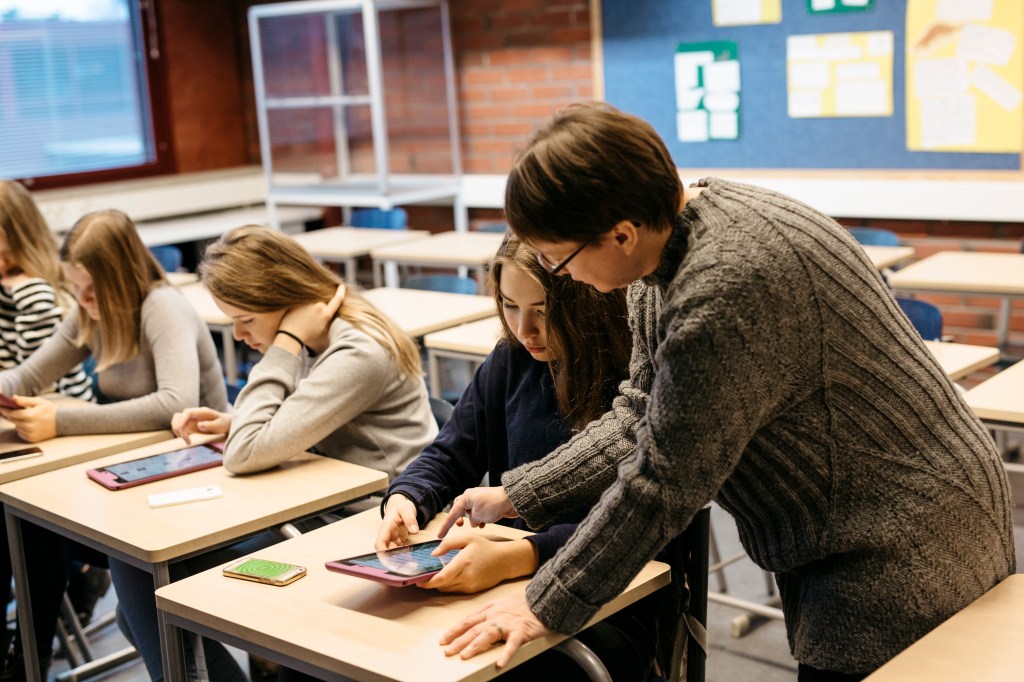
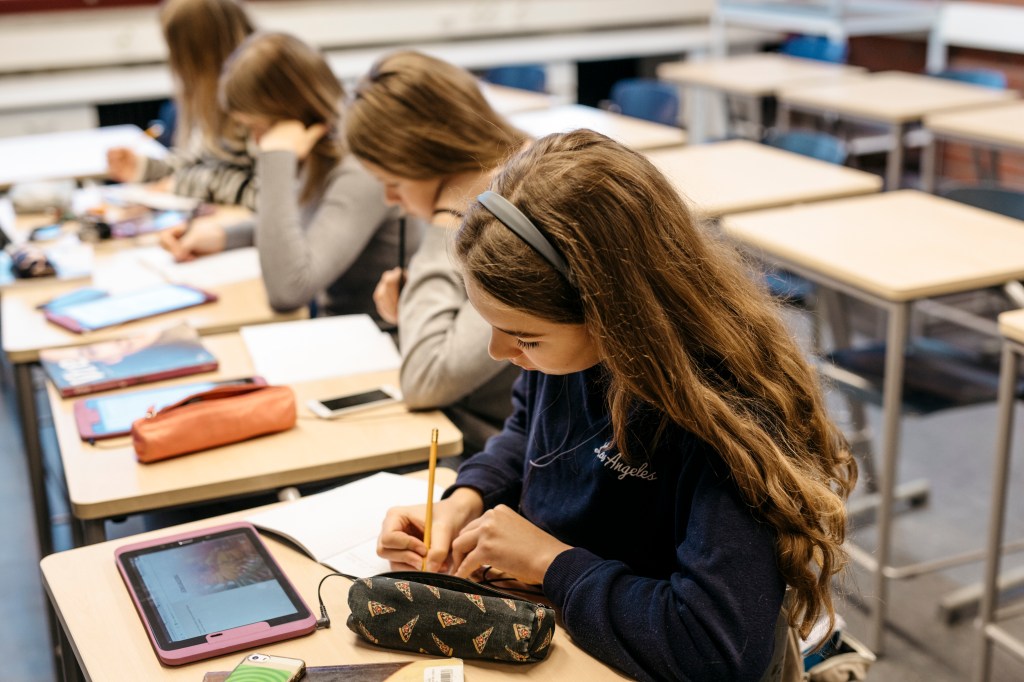
On arriving in my first Finnish classrooms, I watched and interacted with the students and within half an hour I had decided that there was nothing these teenagers were doing that Australian teenagers could not duplicate. Indeed, as I have found in the United States and other countries, teenagers are remarkably similar everywhere. Finnish teenagers are independent, but very polite and noticeably quiet as they go about their work with a great sense of purpose.
The teachers I encountered were all remarkably professional in their outlook and practice. But, again, I came away thinking that despite their international reputation, I also concluded that there is nothing they are doing that most Australian teachers could not also do.
The big difference was that the Finnish teachers were confidently practicing all that they had learned from their years of experience and study to create a classroom where students were engaged and empowered in their learning. And no-one was looking over their shoulder to ‘evaluate’ them as they did it. No-one was teaching for grades or test results. In fact they frequently asked me why we were so obsessed with grades. That they were aware of some of the practices of countries like Australia is one of the big differences. Finnish teachers are encouraged to research, experiment, question and tryout different forms of teaching and they can do so without fear of judgment or criticism.
“How do we evaluate teachers? We never speak of this. It is irrelevant in our country. Instead we discuss, ‘How can we help them?”
Pasi Sahlberg
In relation to the above quote, Finnish teachers said in a 2012 survey that they valued their professional autonomy more than any other aspect of their conditions, including pay rates. Evidence suggests that teachers tend to redesign- and I know this to be a fact in Australia – their teaching according to standardized tests and adjust teaching methods to drilling and memorizing information rather than understanding knowledge and creating an interest in the subject and learning.
One might question the relevance of the PISA tests. Indeed Finland frequently does this. They firmly believe that a standardized test gives only a small amount of information and that their students are so much more than this. Many Australian teachers have little or no knowledge of PISA tests and the education systems of other countries. They are not encouraged to do so. They are ‘encouraged’ to follow the standardized curriculum aimed at the standardized tests. I grew tired of being asked by Finnish teachers, “Does this work in Australia?”
They knew the answer as well as I did, but they were too polite (it’s the Finnish way) to point out the absurdness of where we find ourselves. When we insist that our teachers teach a standardized curriculum tuned to a standardized test, we are crippling those teachers who would employ innovative methods in their planning, diagnosing, and evaluating of students. The Finnish education student is encouraged to learn best practice and then seek to find an even better version of it. Students, schools and teachers are not compared or ranked and teachers are trusted with evaluation and curriculum development much like other professionals such as a doctor or lawyer would be in Australia. This freedom to innovate is a major part of the Finnish advantage. If there is no innovation there can be no improvement. The education system I have been a part of has always tried to find a magical method and repeat it over and over- despite lack of success- a process which leads to bored students and teachers. Any teacher who varies from this is labeled a non-team player, lacking professionalism. I have seen immense pressure placed on teachers and students in the hope of a small improvement in grades. I have seen meetings where a list of appropriate protocols includes the shutting down of any questions about the methods and ideas being applied.
If we know that our methods are so good that we are insisting that all teachers and students should use them, then surely they can stand up to a few questions?
The Finnish teacher is highly respected in Finnish society. When Finnish women were asked about their preferred occupation for an ideal husband, only doctor and veterinarian were ahead of teacher. When men were asked the same about a wife, teacher was the most popular answer. Due to this popularity, only the most committed and passionate are able to become teachers as only around 10% of applicants are accepted and some universities include an audition in their entrance requirements.
That teachers are at the heart of education is ensured by a professional body (which incorporates the union) which has 95% membership. It represents teachers and principals at all levels from kindergarten to university lecturer. It ensures that the decisions about education, which may often come from politicians with little or no expertise in the classroom, are appropriate. Before any decision is made they ask, “Is this good for students and teachers?”
It is this respect and autonomy which ensures the best are drawn to the profession, which in turn ensures that both respect and autonomy continue.
Finland was not always like this. It has taken 50 years to go from an educational backwater to a world leader. When cuts were made in the ‘90s due to the GFC, they were made to the middle and high tiers of education management, meaning that teaching and schools were not forced to take cutbacks while increasing the autonomy of both.
With a teacher shortage in Australia, at a time when some 50% of our qualified teachers are no longer in the profession and our PISA results are some 2 years behind Finland, there is urgency to this issue. Many Australian students have just endured many months of remote learning, this is not the time to double down on standardized curriculum and testing.
My solution to this – as I could no longer continue to be part of the problem – has been to establish a professional development program with the Educational Sciences Faculty of Finland’s University of Applied Sciences (Tampere) and world renowned education expert and scholar, Pasi Sahlberg. There are many simple, easy to implement changes that Australian schools can make (and those that have participated in the program have done so) which will bring immediate improvement in student and teacher outcomes and satisfaction.
As I’ve looked further into this issue, I’ve become aware that many Australian educators and principals are reluctant to make changes as they’ve grown accustomed to being directed by government departments (which often have few educators in them) and bodies representing the creators of standardised tests. As has happened in Finland, if educators (principals and teachers) can have the autonomy to create a system which is based around empowering teachers and students, rather than appeasing government administrators we might turn teaching into a desired profession and school into a place where students are empowered to enjoy learning.
 Michael Lawrence and Dr. Fabio D'Agostin | Creating Schools...
Leave a comment